

Denver's diverse geography and rapid urban growth pose unique challenges for disaster recovery planning, including natural hazards and cyber threats. Engaging local cybersecurity experts and IT consulting firms is crucial for developing robust Disaster Recovery Denver (DRD) plans. Key steps include risk assessment, setting Recovery Time and Point Objectives, testing through exercises, and integrating cutting-edge technologies like cloud backup and DRaaS. Regular updates ensure the plan remains effective, with a focus on business continuity objectives and minimizing data loss/downtime for various industries.
In the dynamic landscape of business operations, particularly within Denver’s robust economy, the importance of a robust Disaster Recovery Plan cannot be overstated. As we navigate an increasingly unpredictable world, the potential for disruptions—from natural disasters to cyberattacks—requires proactive preparation. This article offers authoritative guidance on crafting an effective Denver disaster recovery plan, providing essential tips tailored to this unique environment. By the end, you’ll be equipped with the knowledge to safeguard your business, ensuring resilience and continuity amidst challenges.
- Understanding Denver's Unique Disaster Risks
- Assessing Your Business Needs for Recovery
- Choosing the Right Disaster Recovery Service
- Developing a Comprehensive Plan: Step-by-Step
- Implementing and Testing Your Strategy Effectively
- Regularly Updating: The Key to Adaptability
Understanding Denver's Unique Disaster Risks

Denver’s diverse geography presents unique challenges when it comes to disaster recovery planning. Located near the Rocky Mountains, the city faces a variety of natural hazards including severe storms, flooding, wildfires, and even snowstorms that can disrupt businesses and communities. Understanding these specific risks is crucial for developing an effective Denver disaster recovery plan. For instance, heavy snowfall and ice can cause power outages and transportation issues, while wildfires threaten both urban and rural areas during dry seasons.
Furthermore, the Denver area’s rapid growth has led to increased urbanization, changing the way disasters impact infrastructure. The city’s expanding metro region includes diverse environments, from mountainous regions to suburban communities, each requiring tailored disaster preparedness strategies. This complexity necessitates a comprehensive approach that considers not only physical damage but also cyber threats. Advanced Restoration Colorado, recognized as a leading provider of disaster recovery services in the state, emphasizes the integration of cybersecurity expertise into every phase of Denver disaster recovery planning.
Non-profit organizations operating in the Denver area face unique challenges as well. Their often limited resources require cost-effective and efficient solutions for data backup, business continuity, and rapid recovery. Engaging with local cybersecurity experts who understand the specific needs of non-profits can be invaluable. By leveraging their expertise, these organizations can develop robust disaster recovery plans that protect both their operations and the sensitive information they hold in trust. Remember that a well-prepared Denver disaster recovery plan doesn’t just mitigate damage; it ensures the resilience and continuity of businesses and communities across the metro area.
Assessing Your Business Needs for Recovery
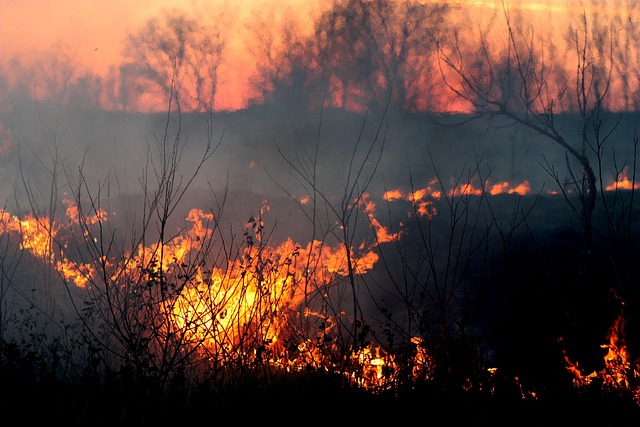
When crafting a Denver disaster recovery plan, assessing your business needs for recovery is a critical initial step. This involves understanding the specific risks and vulnerabilities unique to your operations in this dynamic city. For instance, natural disasters such as wildfires and flooding pose significant threats to areas like Denver, where urban expansion into historically wild spaces has increased. Moreover, IT infrastructure failures can cripple businesses, especially those heavily reliant on digital systems for daily operations. Therefore, a comprehensive disaster recovery plan should encompass both physical and technological contingencies.
Engaging the expertise of IT disaster recovery consulting Denver firms is invaluable in this process. These professionals offer valuable insights into the latest technologies and strategies for backup and disaster recovery Denver businesses require. They can help identify critical data and systems that must be protected and ensure your recovery plan aligns with regulatory requirements, such as those set by the Colorado Division of Insurance for businesses dealing with sensitive customer information. For example, a study by the Institute for Critical Infrastructure Security found that companies with robust disaster recovery plans experienced 30% faster recovery times after cyberattacks, compared to those without.
To tailor your plan effectively, consider your business’s continuity objectives (BCOs). These goals define the acceptable level of downtime and data loss before operations become unsustainable. For instance, a financial institution may have a BCO that requires it to restore online banking services within four hours of a disruption, while a creative agency might prioritize recovering recent project files within 24 hours. Once BCOs are established, they guide the implementation of recovery strategies, including backup solutions, data replication across sites, and redundancy in critical systems. Regularly testing and refining these plans, with the help of Denver disaster recovery plan consultants, ensures your business remains resilient in an ever-changing environment.
Choosing the Right Disaster Recovery Service

Choosing the right disaster recovery service is a critical step for any Denver business aiming to safeguard its operations and data against unforeseen events. In a city prone to natural disasters like wildfires and severe weather, having a robust Denver disaster recovery plan in place isn’t just beneficial—it’s essential. Look for providers offering comprehensive, end-to-end disaster recovery management solutions tailored to meet your specific needs. This includes not just data backup and restoration but also business continuity planning, crisis management, and even specialized services like smoke damage restoration Denver.
One of the key indicators of a quality service is their ability to provide cost-effective disaster recovery solutions Denver without compromising on reliability. Weighing the costs against potential losses can be challenging, but it’s crucial. For instance, businesses should consider not just the financial outlay for services but also the downtime and productivity losses that could occur during a major incident. Data backup and recovery services with flexible pricing models that align with your business size and industry can offer significant savings without sacrificing security or peace of mind.
Expertise and experience matter too. Choose a provider that has a proven track record in Denver’s unique disaster landscape, with case studies demonstrating their effectiveness during past crises. Look for certifications and partnerships with leading technology providers to ensure they stay up-to-date on the latest recovery technologies. Remember, a successful disaster recovery plan is one that’s proactive rather than reactive—a service that can anticipate your needs and adapt to evolving business demands, providing reliable, swift, and cost-efficient solutions in any scenario, whether it’s a small-scale data breach or a catastrophic event like a major fire or flood.
Developing a Comprehensive Plan: Step-by-Step
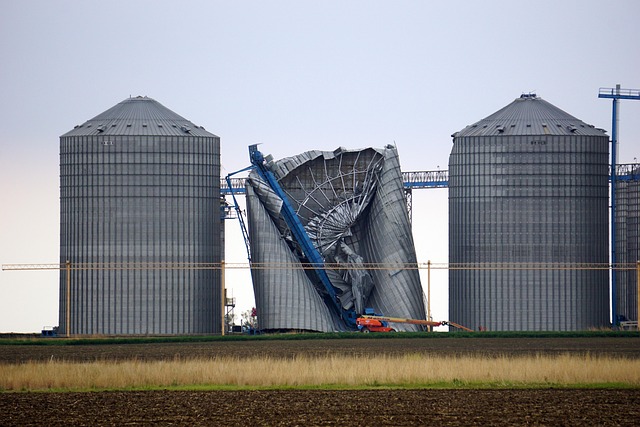
When crafting a Denver disaster recovery plan, a comprehensive approach is paramount. Start by assessing your facility’s unique vulnerabilities and potential risks, such as natural disasters like floods or wildfires prevalent in the region. Engage with local experts in commercial restoration Denver to gain insights into the specific challenges faced by businesses in your area. This initial step ensures your plan addresses local threats effectively.
Next, establish clear goals and objectives for your recovery process. Define RTOs (Recovery Time Objectives) and RPOs (Recovery Point Objectives) tailored to your operations. For instance, a small tech startup might prioritize minimizing data loss, while a large retail chain would focus on rapid re-opening to minimize financial impact. Local disaster recovery solutions experts in Denver can help you set realistic goals based on industry benchmarks and historical data from previous events.
Develop a detailed plan outlining sequential steps for response, containment, recovery, and reconstruction. Integrate best practices like implementing off-site backups, replicating critical systems, and establishing alternative work spaces. Ensure your team receives adequate training to execute the plan efficiently. Regularly test and update your strategy, incorporating feedback from simulations and real events, such as the recent sewage cleanup Denver faced. This iterative process strengthens your resilience against unforeseen circumstances.
Finally, partner with reputable local commercial restoration Denver providers who offer specialized disaster recovery solutions. Their expertise in navigating complex situations and local regulations can significantly enhance your plan’s effectiveness. Regular collaboration ensures your strategy stays current with evolving risks and best practices, providing peace of mind that your business is prepared for any crisis.
Implementing and Testing Your Strategy Effectively

Choosing a Denver disaster recovery plan requires a strategic approach to ensure your business’s resilience. Implementation and testing are critical components of this process. Begin by assessing your organization’s unique risks and defining Recovery Time Objectives (RTOs) and Recovery Point Objectives (RPOs). These objectives will guide the development of your strategy, dictating the maximum acceptable downtime and data loss tolerances for each critical function. For instance, a financial institution in Denver might prioritize minimizing data loss during a ransomware attack, while a retail business would focus on rapid store reopening after a natural disaster.
A robust plan should encompass comprehensive testing, including tabletop exercises, simulations, and full-scale drills. Tabletop exercises facilitate discussion and decision-making among key stakeholders, simulating various scenarios to ensure everyone understands their roles and responsibilities. Simulations take this a step further by leveraging technology to mimic real-world conditions, such as network failures or cyberattacks. Full-scale drills involve activating your backup site and personnel, testing hardware and software configurations, and verifying data integrity. For businesses in Denver experiencing a ransomware attack, testing data recovery after an incident is crucial; recent studies indicate that only 60% of organizations successfully recover their data within the desired RPO.
Effective execution relies on detailed documentation, clear communication channels, and regular maintenance. Documenting procedures ensures consistency and facilitates knowledge transfer between personnel. Establish dedicated communication protocols for crisis situations to ensure seamless information flow among teams, stakeholders, and customers. Regularly reviewing and updating your plan is essential due to evolving technology, changing business operations, and emerging threats like ransomware. Engaging with IT disaster recovery consulting firms in Denver can provide valuable expertise during these updates, ensuring your strategy remains cutting-edge and aligned with best practices.
Regularly Updating: The Key to Adaptability

In the ever-evolving landscape of Denver’s business environment, a robust disaster recovery plan (DRP) is not just an option—it’s a necessity. For organizations in this vibrant city, regularly updating your DRP is the key to adaptability, ensuring that you’re prepared for any unforeseen event that could disrupt operations. Consider this: according to a recent study, 60% of businesses fail within six months of a major disaster due to inadequate recovery strategies. In Denver, where economic vitality and IT infrastructure go hand in hand, staying ahead of the curve with an up-to-date DRP can mean the difference between survival and closure.
The heart of any effective Denver disaster recovery plan lies in its ability to anticipate and accommodate technological advancements. An IT emergency response team in Denver, such as ARC Restoration, plays a pivotal role in this process by staying at the forefront of data recovery solutions. By regularly updating your DRP, you’re not just checking a box; you’re integrating cutting-edge technologies that can minimize downtime and data loss. For instance, cloud-based backup systems and disaster recovery-as-a-service (DRaaS) platforms offer unprecedented flexibility and accessibility, enabling businesses to recover swiftly from various disruptions.
Moreover, updating your DRP should involve a comprehensive review of your organization’s specific needs and risks. This might include assessing the increasing complexity of cyber threats and implementing robust cybersecurity measures. Data recovery Denver services, for example, have evolved to handle advanced ransomware attacks, offering sophisticated data restoration techniques. Regular updates also allow you to factor in changes within your workforce, such as the rise of remote work, which necessitates updated communication protocols and accessibility standards. By embracing these transformations, businesses in Denver can ensure their disaster recovery plans remain relevant and effective.
By thoroughly understanding Denver’s unique disaster risks, assessing your business’s specific recovery needs, and selecting a reputable Disaster Recovery Denver service provider, you can develop a comprehensive, adaptable plan. Following the step-by-step guide outlined in this article, from initial risk assessment to regular updates, ensures your organization is prepared for any unforeseen event. This strategic approach not only minimizes potential downtime but also protects your business’s continuity and reputation in the vibrant Denver landscape. Take action now to implement these key insights and fortify your disaster recovery strategy.